

Mechanical Properties of Polymers in Modern Engineering
The growing use of thermoplastic polymers and elastomers in engineering applications emphasizes the critical need for understanding their mechanical properties. These materials are increasingly used in industries such as automotive, aerospace, and biomedicine, where performance, durability, and safety are key concerns. As such, the development of accurate constitutive models and optimization algorithms is essential for predicting and improving the mechanical response of polymers under various loading conditions. Our research focuses on providing cutting-edge solutions to meet these challenges and advance the engineering capabilities of polymer-based materials.
Fracture and Failure of Polymers and Composites
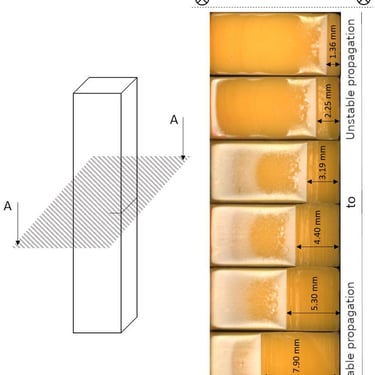
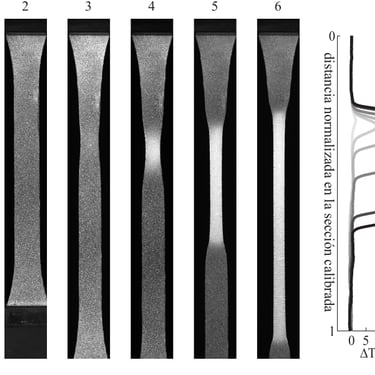
The use of advanced materials in structural applications requires understanding key factors influencing deformation, strength, fracture, and failure. In engineering, polymeric components can fail under relatively low stress due to long-term stress effects (creep rupture), cyclic loading (fatigue), the presence of structural defects, and environmental stress cracking (ESC).
A major challenge in predicting the fracture behavior of polymers is that classical failure models, often based on uniaxial stress conditions, may not be applicable to real structures under complex loading scenarios. The presence of notches, weld lines in injection-molded parts, perforations, and other geometric singularities reduces a component’s resistance, making an accurate fracture mechanics approach essential for design.
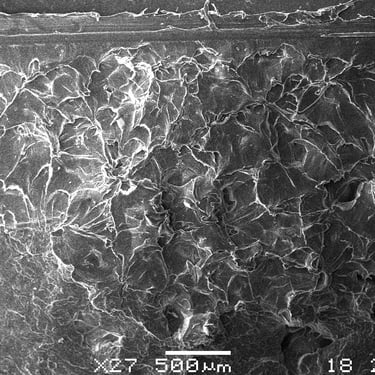
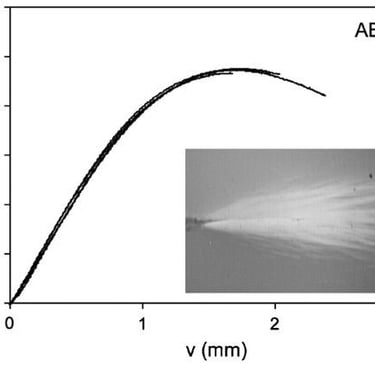
Our research group specializes in the application of Linear and Nonlinear Fracture Mechanics techniques (KIC, GIC, EWF, J-Integral) for evaluating fracture toughness, failure mechanisms, and strategies to enhance the structural integrity of polymers and composites under different loading conditions.
Polymer Mechanics Under Impact Conditions
Nowadays, engineering thermoplastics such as Polycarbonate (PC), Polypropylene (PP), and High-Density Polyethylene (HDPE) are widely used in applications that require impact resistance. Consequently, there is significant industrial interest in predicting how these materials will respond under such loading conditions.
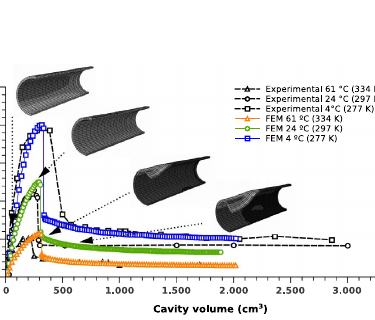
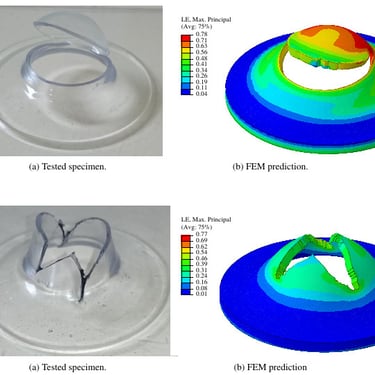
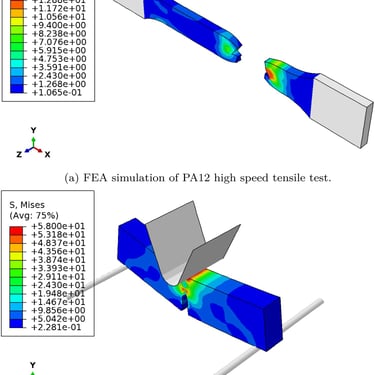
The traditional approach to designing impact-resistant parts involves trial-and-error testing using real prototypes. However, these procedures are costly in terms of both time and money. A more recent strategy is to predict the material response through computer-assisted numerical simulations. However, computer-aided design of plastic parts is not straightforward due to the nonlinear viscoelastic behavior of these materials.
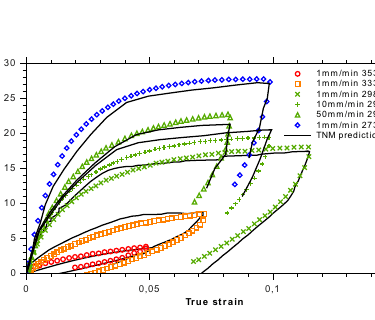
Considering the above, the objective of this research line is the experimental characterization and constitutive modeling of thermoplastic polymers as fundamental tasks for designing parts subjected to impact conditions.
Auxetic Structures
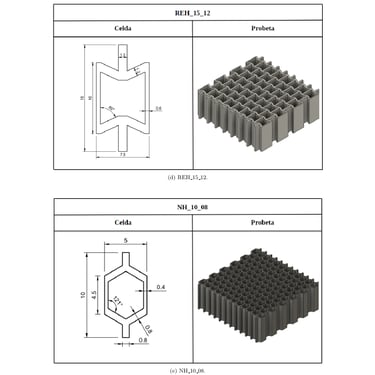
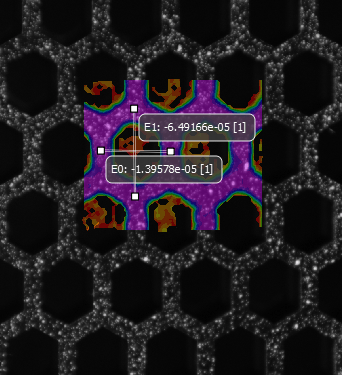
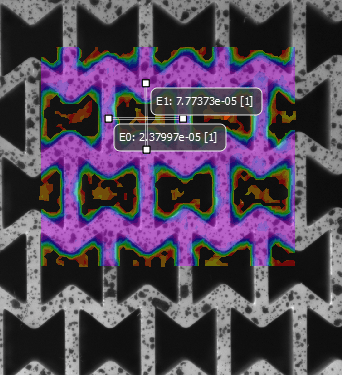
Cellular structures exhibiting a negative apparent Poisson’s ratio (NPR) are known as auxetic structures. Unlike conventional materials, auxetics expand laterally under uniaxial tension and contract laterally under compression. This unusual behavior provides outstanding mechanical properties, particularly in terms of energy absorption, impact resistance, and shear stiffness.
Due to their enhanced mechanical performance, auxetic structures have gained interest in various applications, including biomedical implants, protective gear, and lightweight aerospace components. Their ability to dissipate energy efficiently makes them ideal for shock-absorbing and blast-resistant materials.
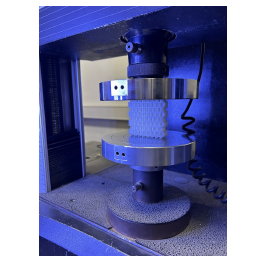
This research line focuses on optimizing the energy absorption capacity of auxetic structures under specific loading conditions. We employ experimental testing and numerical simulations, including finite element analysis and topology optimization, to explore how constitutive parameters, geometric configurations, and failure mechanisms influence their mechanical behavior.

Constitutive Modeling and Optimization Algorithms
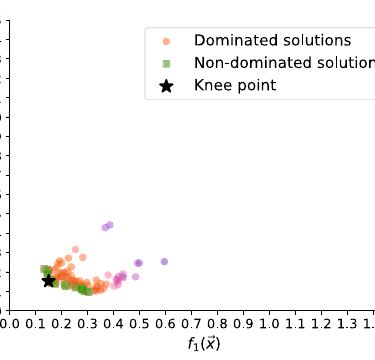
This line of research focuses on the development of constitutive models and optimization algorithms applied to the behavior of thermoplastic polymers and elastomers. We explore advanced methods for constitutive modeling, which accurately describe the material response under various loading conditions. Our optimization algorithms aim to enhance material properties and performance by optimizing design parameters. We have developed these methodologies based on our patented techniques and research publications, which offer significant improvements in the modeling and optimization of polymer materials for engineering applications.